






For many, January feels like an inner reboot. After rich meals, sweet treats, and a rather irregular routine over the holidays, the desire for balance arises. Eating lighter, living more mindfully, and paying more attention to the body are key. Breakfast, in particular, takes center stage during this period, as it's considered the foundation for energy, concentration, and a successful start to the day.
Muesli, porridge, smoothie bowls, and overnight oats are often seen as symbolic of a healthy lifestyle. They appear fresh, balanced, and nutrient-rich. At first glance, they seem to provide exactly what many people crave in January. However , what seems nutritionally sound can pose unexpected challenges for dental health . Fructose, dried fruit, acids from berries or citrus fruits, and frequent morning snacking significantly alter the oral environment.
In this article, we'll show you why many breakfast trends, despite their healthy image, can become a sugar trap for your teeth , which ingredients are particularly critical, and how you can make your breakfast tooth-friendly without having to sacrifice enjoyment or conscious nutrition.
Why morning is a sensitive time for your teeth
During the night, the body switches to regeneration mode. Many protective mechanisms operate at a reduced level. Saliva production decreases, the mouth becomes drier, and the natural cleaning function is significantly impaired. As a result, teeth and gums are more sensitive in the morning than at other times of day.
It is precisely during this sensitive phase that many people begin their day with a sweet or fruity breakfast. Sugars from muesli, honey, or dried fruit, as well as acids from berries, yogurt, or fruit juices, come into contact with a mouth that is not yet optimally protected. At this time, tooth enamel is particularly vulnerable, while bacteria find ideal conditions to adhere and multiply.
If this stress is repeated regularly, it can leave long-term traces. Initially, the changes often go unnoticed. Only later do they become apparent.
- sensitive teeth,
- a rough feeling on the tooth surfaces or
- Irritated gums.
Especially in January , when many people consciously switch to supposedly healthy breakfast habits and more frequently opt for fruit- or sugar-rich bowls, this burden on dental health often increases even further.
The biggest sugar traps in a healthy breakfast
Many ingredients considered particularly healthy have a less positive effect on teeth than their image suggests. Especially at breakfast , combinations of sugar, fructose, and sticky textures often occur, putting a strain on the mouth over a longer period.
Typical examples are
- Fruit yogurt,
- sweetened Skyr,
- Crunchy muesli or
- Granola.
Also
- dried fruits as well as
- Syrups such as honey,
- Agave syrup or
- Maple syrup
They contain amounts of sugar that easily adhere to teeth. In addition, smoothie bowls with pureed berries deliver concentrated fructose and acids, often exposing the tooth surfaces particularly intensely.
The problem isn't just the sugar. Many of these ingredients adhere to teeth for a long time , especially if they are sticky or finely ground. The sugar serves as an ideal food source for bacteria, while the acids it contains simultaneously attack tooth enamel. This creates a double burden that can gradually affect dental health and is often underestimated.
Natural sugar is not a bonus for teeth.
A widespread misconception is the assumption that natural sugar is automatically gentler on teeth. However, it makes no difference to tooth enamel whether the sugar comes from...
- fruits,
- Honey,
- maple syrup or
- industrial production
The crucial factor is not the origin, but the frequency and duration with which sugar remains in the oral cavity and is metabolized there by bacteria.
This effect plays a central role, especially in modern breakfast trends. Pureed, soft, or sticky foods like smoothie bowls, dried fruits, or sweetened muesli mixes adhere particularly easily to tooth surfaces and between teeth. There, they can release acids over a longer period, which attack tooth enamel and increase the risk of cavities.
This explains why even people with a generally conscious, balanced diet can develop dental problems. Not every healthy meal is automatically good for your teeth. But those who understand this connection can take targeted action and protect their dental health without having to forgo enjoyment or modern breakfast habits.
Acids in breakfast – an underestimated factor
Besides sugar, acids also play a key role when it comes to the impact of modern breakfast trends on dental health. Berries, citrus fruits, yogurt, and plant-based drinks are considered essential components of a healthy breakfast by many. They provide vitamins, freshness, and flavor. At the same time, however, they significantly lower the pH level in the mouth.
This means a temporary weakening of the tooth enamel. In an acidic environment, its surface becomes softer and therefore more susceptible to external influences. This effect is not permanent, but crucial at that moment. Especially if acidic foods are a regular part of breakfast, this strain can accumulate.
Many people like to brush their teeth right after breakfast to start the day feeling fresh. However, this is precisely where an often underestimated risk lies. Applying mechanical pressure to already softened tooth enamel can cause long-term damage. Sensitive tooth necks or a rough feeling on the teeth are possible consequences.
Therefore, it's a good idea to consciously give your mouth some time after breakfast. A glass of still water helps to dilute acids and normalize the pH level more quickly. Only after about 20 to 30 minutes should you brush your teeth. This gives the tooth enamel a chance to stabilize, and your daily routine remains gentle and effective.
Gentle dental care as a way to balance out the morning
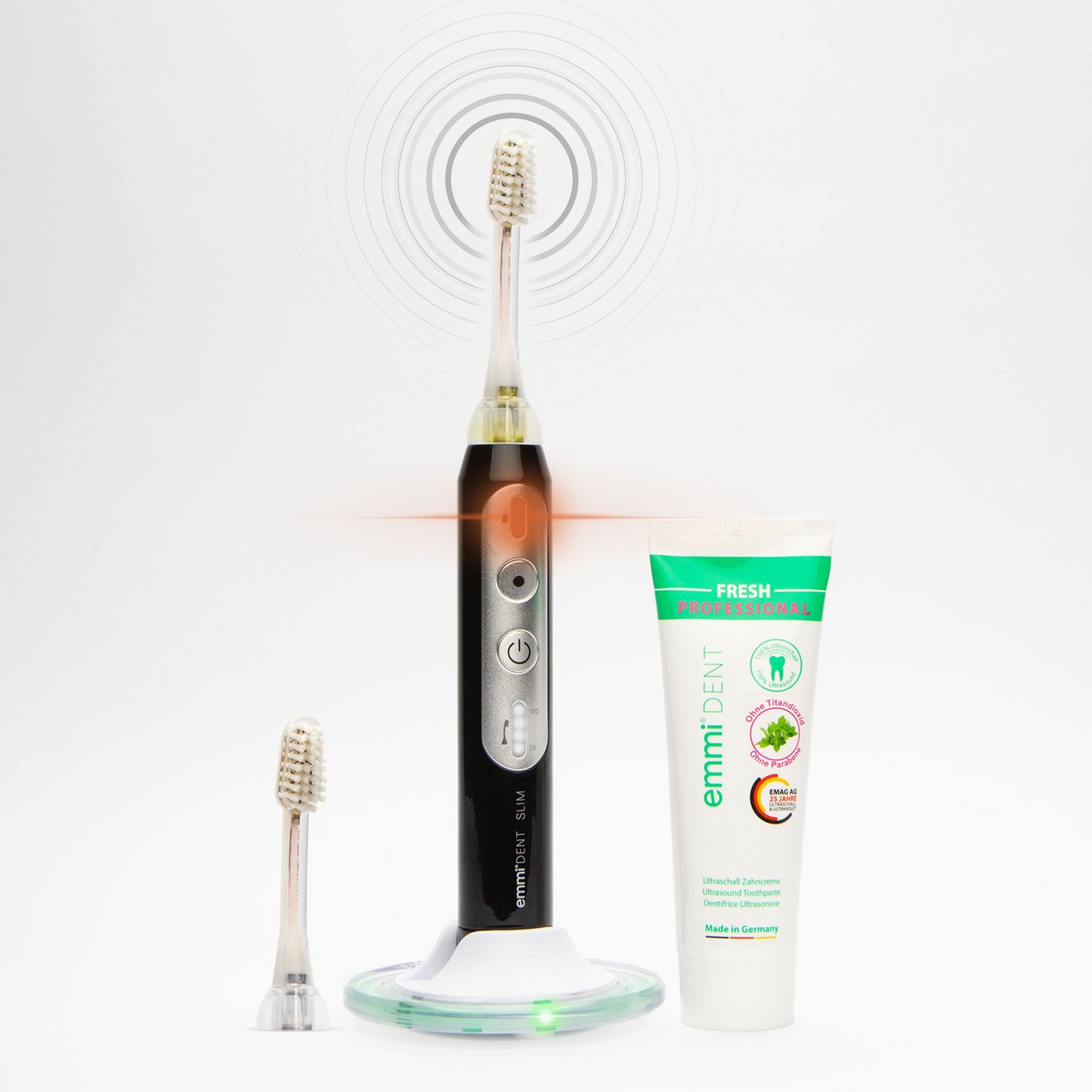
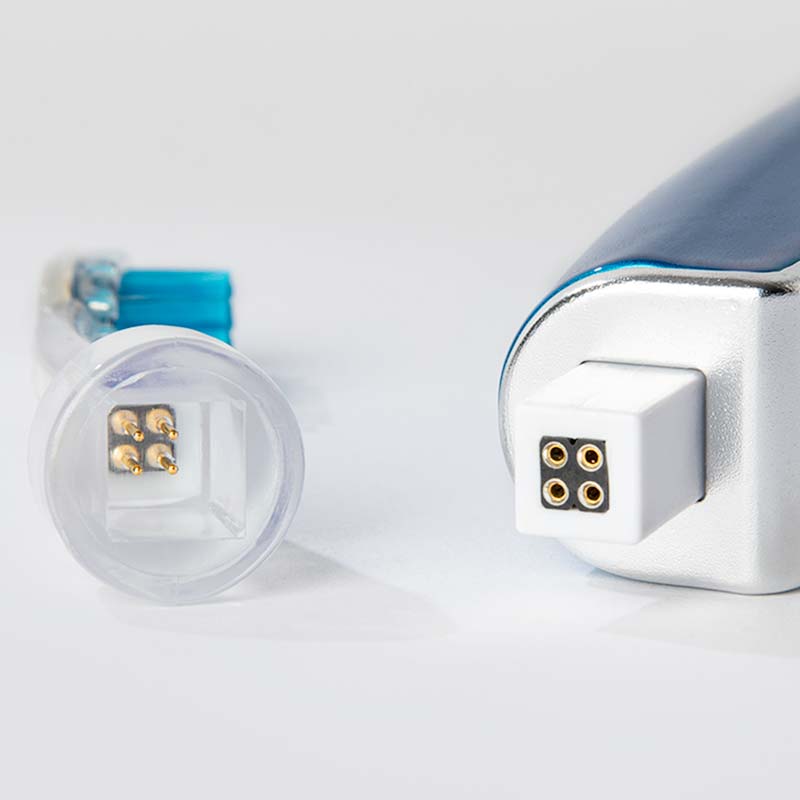
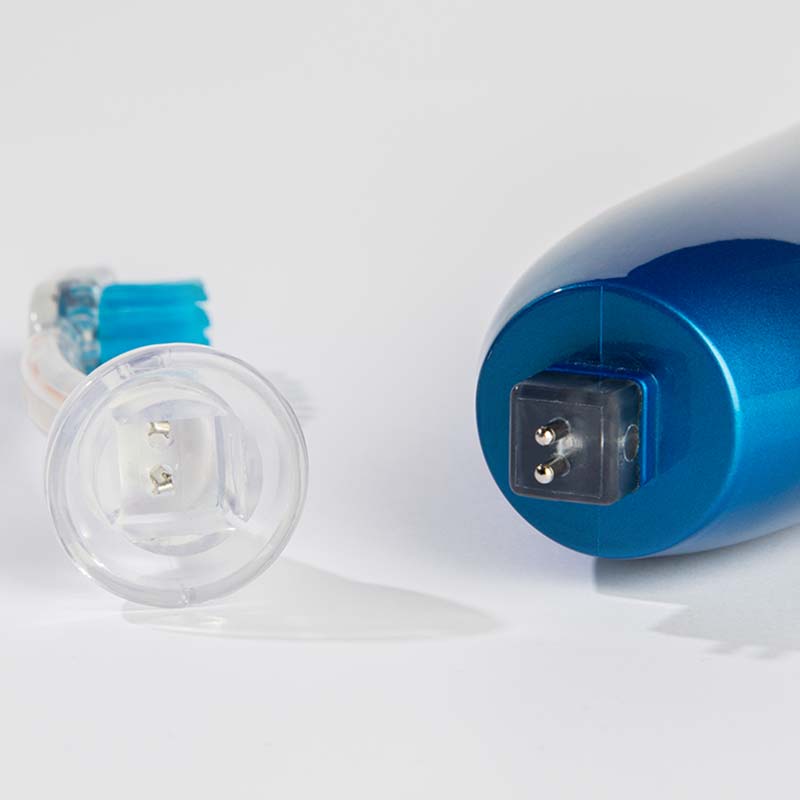
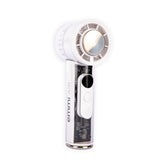
Gentle dental care can have a targeted balancing effect here. Our emmi-dent Slim uses ultrasound and requires no scrubbing movements. Instead of friction, it uses fine ultrasonic pulses to loosen plaque and harmful bacteria without exerting pressure on tooth enamel or gums . This makes cleaning particularly gentle, especially in the morning when teeth are not yet fully remineralized.
Many find this type of dental care significantly more pleasant. Sensitive tooth necks, sensitive gums, or an irritated feeling in the mouth after breakfast are less stressed, while the teeth are still thoroughly cleaned. This creates a calm, tooth-friendly start to the day, meaningfully combining conscious nutrition and dental health.
Dental care as part of a conscious morning routine
A tooth-conscious start to the day doesn't mean deprivation. It's more about mindfulness and meaningfully combining breakfast and dental care. Those who enjoy a healthy breakfast while adjusting a few small routines can protect their dental health in the long term without sacrificing enjoyment.
It's especially important to pay attention to your oral hygiene in the morning. After breakfast, tooth enamel needs time to stabilize, particularly if fruity or acidic foods were consumed. Drinking water regularly supports natural cleaning, stimulates saliva production, and helps to flush out sugars and acids more quickly. Gentle, thorough oral hygiene completes your morning routine and ensures a lasting pleasant feeling in your mouth.
Mini checklist for a tooth-friendly breakfast in January
With these simple adjustments, you can make your morning routine significantly more tooth-friendly:
- Combine sweet ingredients with neutral foods , for example nuts, yogurt or oatmeal.
- Drink a glass of water after breakfast to dilute sugars and acids.
- Wait at least 20 minutes before brushing your teeth to allow the tooth enamel to recover.
- Opt for gentle dental care without pressure to protect sensitive teeth and tooth necks.
- Reduce sticky ingredients like dried fruit , which tend to stick to your teeth for a long time.
- Establish consistent morning routines so that dental care becomes second nature.
Even small changes in the morning can make a big difference in the long run and help you to balance healthy eating and dental health in January.