











The Mediterranean diet has been considered particularly healthy for years. It stands for fresh ingredients, natural fats, plenty of vegetables, and a mindful approach to enjoyment. While it is often mentioned in connection with the heart, metabolism, or inflammatory processes, it also relates to an area that is often overlooked: dental health .
Olive oil, crisp vegetables, legumes, fish, and herbs not only provide essential nutrients but also positively influence the oral environment. They stimulate saliva production, have anti-inflammatory properties, and contain significantly less hidden sugar than many highly processed foods. This type of diet can therefore make a noticeable difference, especially for teeth and gums.
In this article, we'll show you why the Mediterranean diet makes sense from a dental perspective , which foods are particularly good for your teeth, and how you can easily integrate Mediterranean eating habits into your everyday life to combine dental health and enjoyment.
Why nutrition plays a key role in healthy teeth
What you eat every day not only affects your general well-being, but also directly impacts the health of your teeth and gums. The mouth is the first point of contact for food, and it is precisely here that it is decided whether teeth are strengthened or permanently damaged. Despite this, the importance of nutrition for dental health is often underestimated or reduced to the issue of sugar.
Food has an effect on several levels. Certain foods stimulate saliva production, which acts as a natural protective mechanism, neutralizing acids and removing bacteria. Others provide important minerals and vitamins that keep tooth enamel and gums strong. At the same time, highly processed, sugary, or very acidic foods can disrupt the balance in the oral cavity and promote inflammation.
The interplay of frequency, composition, and consistency of meals is particularly important. Constant snacking throughout the day exposes teeth to acids on a continuous basis. Conversely, a balanced diet with natural ingredients and mindful mealtimes automatically supports oral regeneration. This is precisely where the strength of the Mediterranean diet becomes apparent.
Which Mediterranean foods are particularly beneficial for your dental health
The Mediterranean diet is characterized by its naturalness and focus on fresh, unprocessed foods. These very qualities also have a positive effect on teeth and gums. Many staple Mediterranean foods provide essential nutrients, promote a healthy oral environment, and help reduce inflammation in the mouth. Crucially, it's not a single food that matters, but rather the interplay of various components that together create protection and balance.
Below, we will take a closer look at which Mediterranean foods are particularly valuable for dental health and why they can make a real difference in everyday life.
Olive oil – protection for gums and oral mucosa
Olive oil is a key ingredient in Mediterranean cuisine and also plays a special role in oral health. It contains valuable unsaturated fatty acids and antioxidant plant compounds that can have an anti-inflammatory effect. For the gums, this means greater resistance to irritation and minor inflammation.
Furthermore, olive oil forms a light, protective coating on the mucous membranes in the mouth when eaten. This can help prevent bacteria from adhering more easily and keep the mouth feeling smoother overall. Many people find this effect particularly pleasant, especially those with sensitive gums or dry mucous membranes. Olive oil thus enhances not only the taste but also a more balanced feeling in the mouth.
Vegetables – natural cleansing and important nutrients
Fresh vegetables are another cornerstone of the Mediterranean diet. Varieties such as bell peppers, zucchini, tomatoes, leafy greens, and fennel provide vitamins, minerals, and phytochemicals that are important for healthy teeth and strong gums. Vitamin C supports gum health, while minerals contribute to the strength of tooth enamel.
Crunchy vegetables also have a mechanical effect. Chewing stimulates saliva production, which neutralizes acids and helps remove food particles more quickly. This natural cleansing effect relieves the oral cavity between meals and contributes to a more stable pH level.
Fish and nuts – building blocks for strong teeth
Fish and nuts provide valuable fats, protein, and trace elements that play an important role in dental health. Fatty fish contains omega-3 fatty acids, which have anti-inflammatory properties and can therefore support healthy gums. At the same time, fish and seafood provide minerals that contribute to maintaining tooth structure.
Nuts complement this effect with their combination of healthy fats and firm texture. Chewing promotes blood circulation in the gums and stimulates saliva production. Enjoyed in moderation, they fit well into a tooth-conscious diet and support the natural balance in the oral cavity.
Why a Mediterranean diet can reduce inflammation in the mouth
Inflammation in the oral cavity rarely develops suddenly. It usually arises gradually, for example, due to irritated gums, recurring gum bleeding, or a persistent feeling of sensitivity in the mouth. Often, the cause lies not solely in dental hygiene, but in the interplay of diet, bacterial balance, and the body's own defenses. This is precisely where the Mediterranean diet demonstrates its particular strength.
A key advantage of this diet lies in its high content of anti-inflammatory nutrients . Olive oil, fresh vegetables, fish, herbs, and nuts provide valuable fatty acids, antioxidants, and phytochemicals. These substances can reduce inflammatory processes throughout the body – and thus also have a positive effect on gums and oral mucosa.
At the same time, the Mediterranean diet contains significantly fewer highly processed foods. Less sugar, fewer additives, and less sticky textures also mean less of a breeding ground for inflammation-promoting bacteria in the mouth. Saliva can better fulfill its natural protective function, acids are neutralized more quickly, and the gums remain more resilient.
Another important factor is eating rhythm. Mediterranean eating habits emphasize mindful meals rather than constant snacking. This allows the oral cavity sufficient time to regenerate. Teeth and gums are not continuously exposed to acids, which further reduces inflammation.
Overall, the Mediterranean diet supports a stable, balanced oral environment . It strengthens the natural defenses of the gums, promotes regeneration, and can help reduce inflammation in the long term. For dental health, this means less stress, more balance, and an ideal foundation for gentle, supportive dental care.
Here's how to implement a tooth-friendly Mediterranean diet in your everyday life.
A Mediterranean diet doesn't have to remain a theoretical concept. It can be surprisingly easy to implement in everyday life and can specifically contribute to dental health. The key is not perfection, but conscious combinations and consistent routines that relieve stress on teeth and gums.
An important point is the structure of meals . Mediterranean cuisine emphasizes consistent mealtimes instead of constant snacking. This gives the oral cavity time to regenerate, stabilizes the pH value, and reduces the duration that acids act on tooth enamel. This resting phase is particularly crucial for gums and sensitive tooth necks.
The composition of the food also plays a role. Fresh vegetables, healthy fats like olive oil, and protein-rich components such as fish or legumes ensure a balanced oral environment. They promote saliva production, provide anti-inflammatory nutrients, and contain significantly less hidden sugar than many highly processed products. Sweet components take a backseat and are used consciously.
After eating, it's worth taking a moment to pay attention to your mouth. A glass of water helps to dilute food particles and flush out acids more quickly. At the same time, it stimulates saliva production, which acts as a natural protective mechanism for your teeth. This is a simple yet effective step, especially after rich Mediterranean dishes with acids from tomatoes or citrus fruits.
This brings us back to dental care. A tooth-friendly diet only unfolds its full benefits in combination with gentle, thorough cleaning. After Mediterranean meals, tooth enamel is often temporarily more sensitive. Aggressive scrubbing can further damage it. A gentle dental care routine, on the other hand, supports the regeneration of the oral cavity and helps to prevent further inflammation.
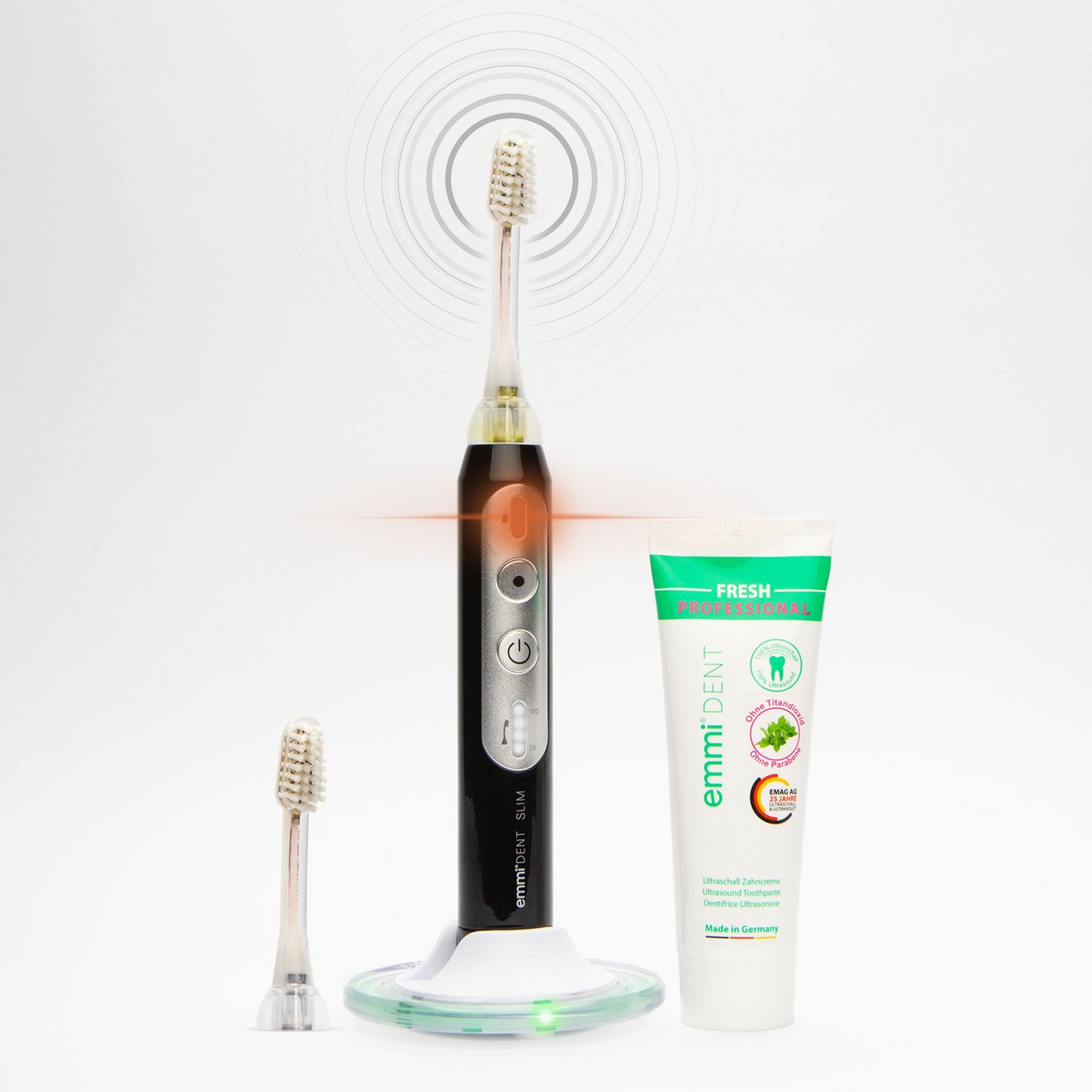
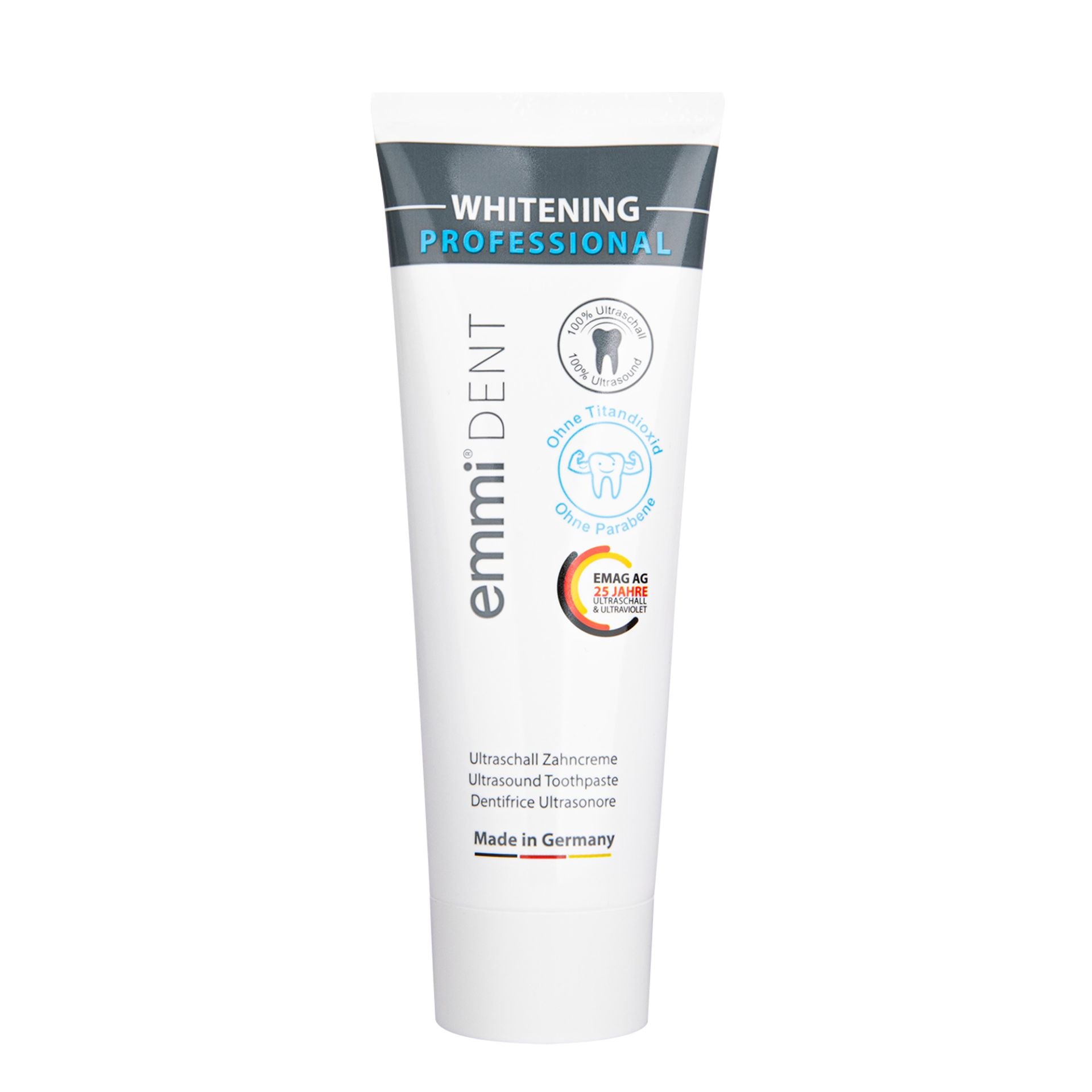
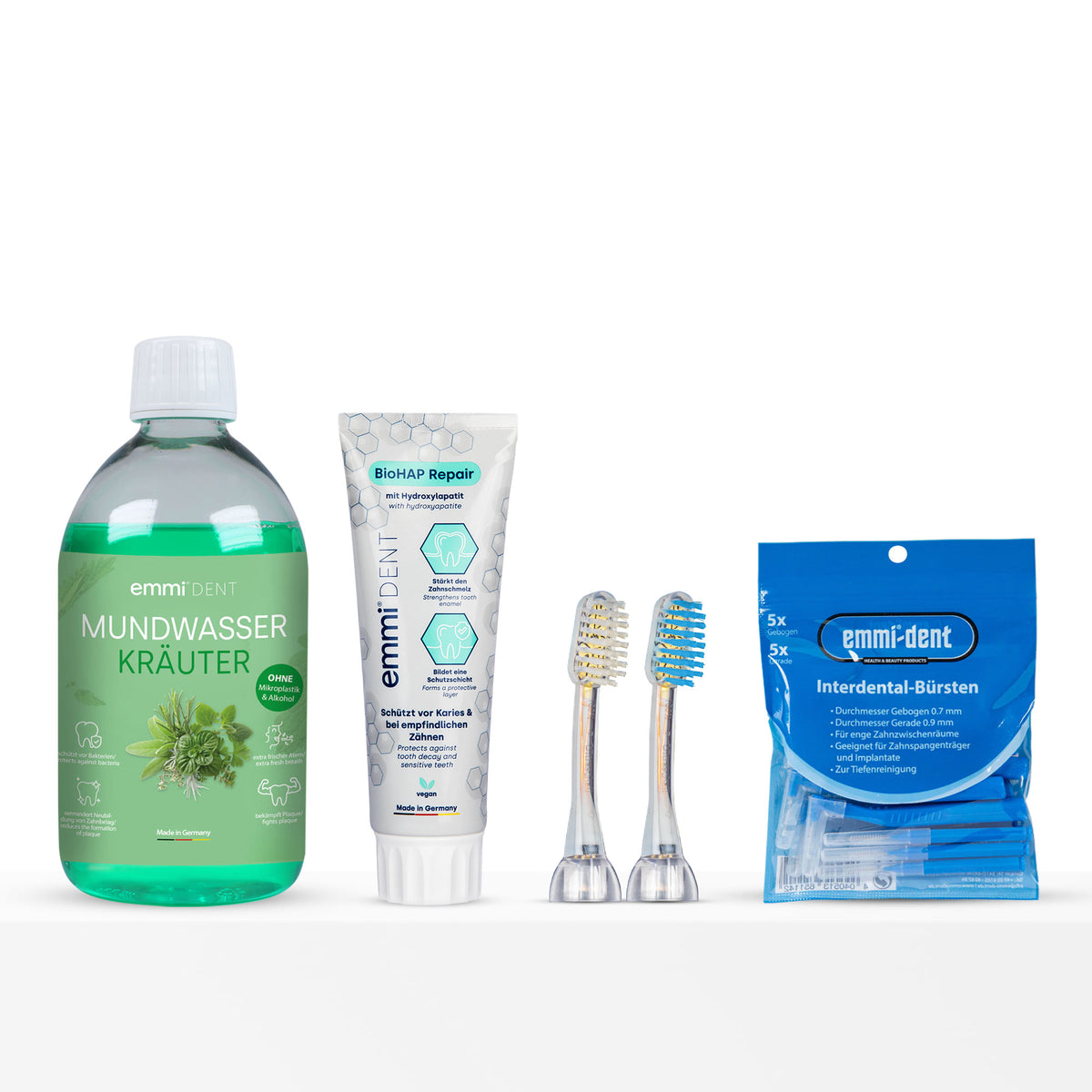
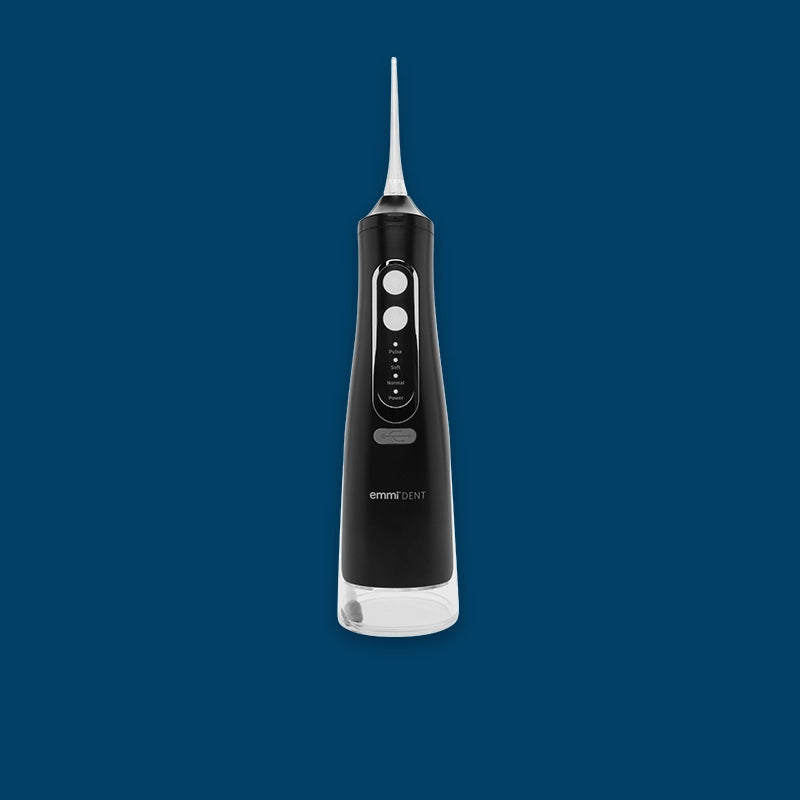
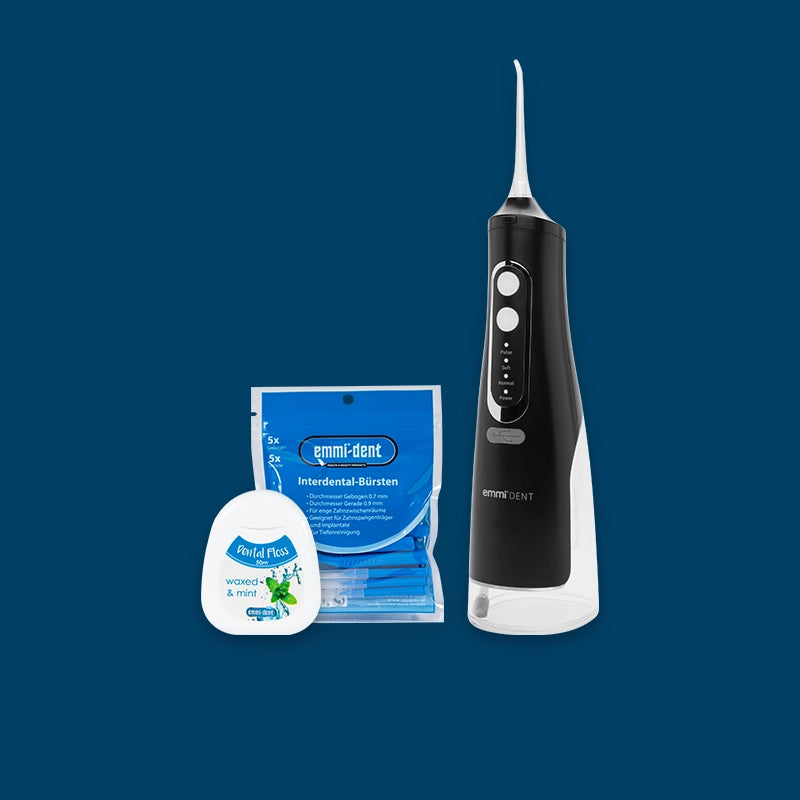
Consciously combining a Mediterranean diet with gentle dental care, such as with our emmi-dent "White Teeth Set," creates a strong foundation for long-term dental health. Nutrition protects from within, while care stabilizes from the outside. Together, they ensure a balanced oral environment that sustainably relieves and strengthens teeth and gums.