






A cozy movie night, a bowl of popcorn, and eventually exactly what you already know happens: a small piece gets stuck between two teeth. And, of course, in the exact same spot again. You try with your tongue, take a sip of your drink, and eventually, there’s no way around using dental floss.
It is no coincidence that popcorn, of all things, gets stuck so persistently between teeth. The thin hulls can slide quite precisely into small gaps and settle there uncomfortably. However, it gets more interesting when it’s not just popcorn. If meat fibers, vegetables, nuts, or other foods also regularly get stuck between these exact same two teeth, it is worth taking a closer look at that interdental space.
This is because our teeth are not spaced at exactly the same distance from each other everywhere. The shape of the teeth and their contact points also determine how easily food can get into an interdental space. Sometimes, such an area also changes over time.
In this article, we explain why popcorn and other food can repeatedly get stuck between the same teeth, when an interdental space should be checked more closely, and how you can keep these hard-to-reach areas clean in everyday life.
Why popcorn, in particular, loves to disappear between teeth
Popcorn is practically made for interdental spaces. When popped, a thin, relatively firm membrane remains from the outer husk of the corn kernel. These small pieces can slide between two teeth or end up right under the gum line. Sometimes they are stuck so firmly there that your tongue hardly stands a chance.
That alone doesn't mean there is anything wrong with your teeth. However, if it always happens between the exact same two teeth, the shape of this space may play a role.
Adjacent teeth normally touch at specific contact points. Among other things, these contacts help prevent food from being constantly pushed deep between the teeth while chewing. If a contact is slightly wider or the space has a certain shape, food can get stuck in it more easily.
Tooth alignment is also individual. Some spaces are very narrow, others a bit larger. In the area of the molars, distinct tooth shapes and strong chewing movements are additional factors. This can cause a small piece of popcorn to be pushed right into a specific spot.
If you have to reach for dental floss immediately afterward, it is annoying, but not yet a cause for concern. You should become attentive if food suddenly gets stuck in a spot where you never had this problem before. Then something may have actually changed in the interdental space.
When suddenly the same spot is always affected
You usually know your own interdental spaces quite well. Perhaps there has been a spot for years where dental floss is a bit harder to get through or where something occasionally gets stuck. If nothing changes in that regard and your dentist checks the area regularly, that is different from an interdental space that suddenly becomes a magnet for food debris.
Changes can have various reasons. A filling, for example, can influence how two adjacent teeth make contact with each other. Changes to a tooth crown or minor defects can also cause food to get stuck more easily. Cavities in the area between two teeth are also a possible cause that you can hardly recognize yourself in the mirror.
In addition, the gums also change over the course of life. If they recede in one spot, a space can become larger. Suddenly, the piece of popcorn finds room there that wouldn't have fit before.
The problem is less about the single piece of corn after a movie night. It becomes unpleasant when food residues regularly remain in the same interdental space. They can irritate the gums and simultaneously create an area where bacterial plaque can accumulate more easily. Perhaps you eventually notice that your gums bleed when cleaning, become sensitive, or a feeling of pressure develops after eating.
If you suddenly have to clean an interdental space after almost every meal, even though that wasn't the case before, you should mention it during your next dentist visit. If you additionally experience pain, swelling, or significant discomfort while chewing, you should better not wait for your next regular check-up.
Dental floss, interdental brush, or just the toothbrush?
A piece of popcorn stuck between two teeth is often difficult to reach with a normal toothbrush. The bristles mainly clean the easily accessible tooth surfaces. They only reach into the narrow contact area between two teeth to a limited extent.
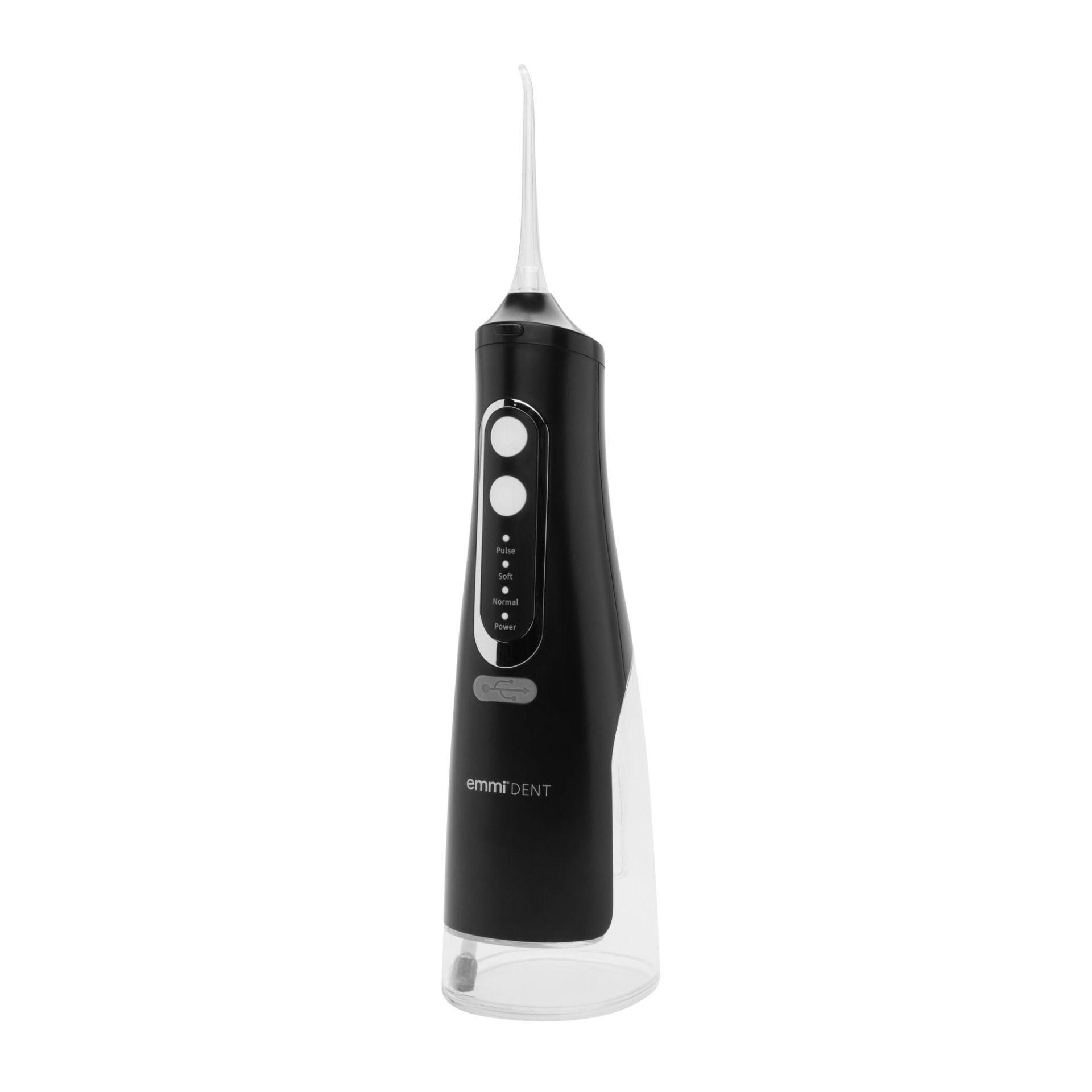
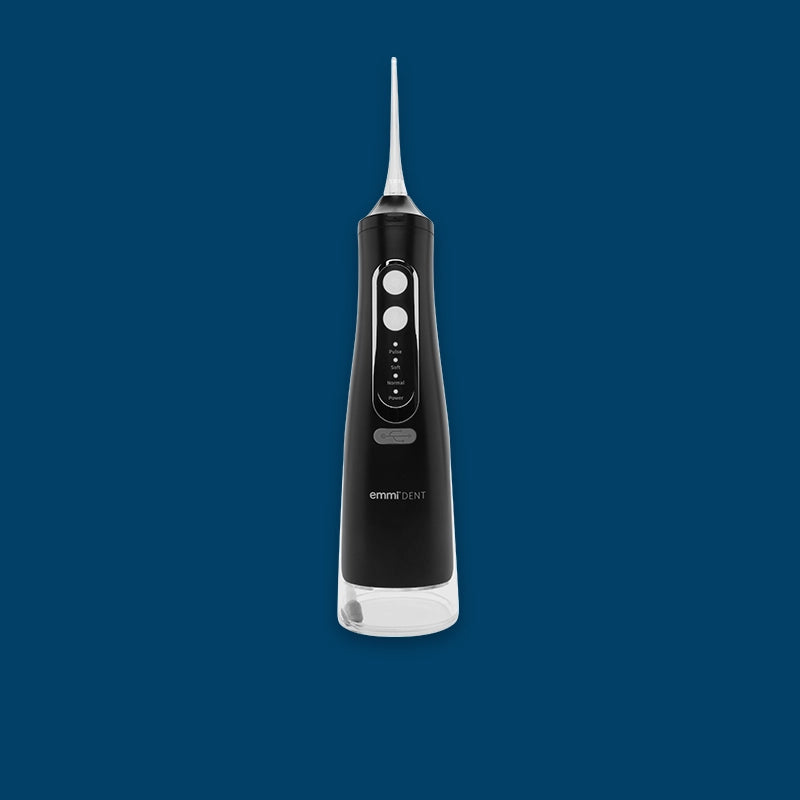
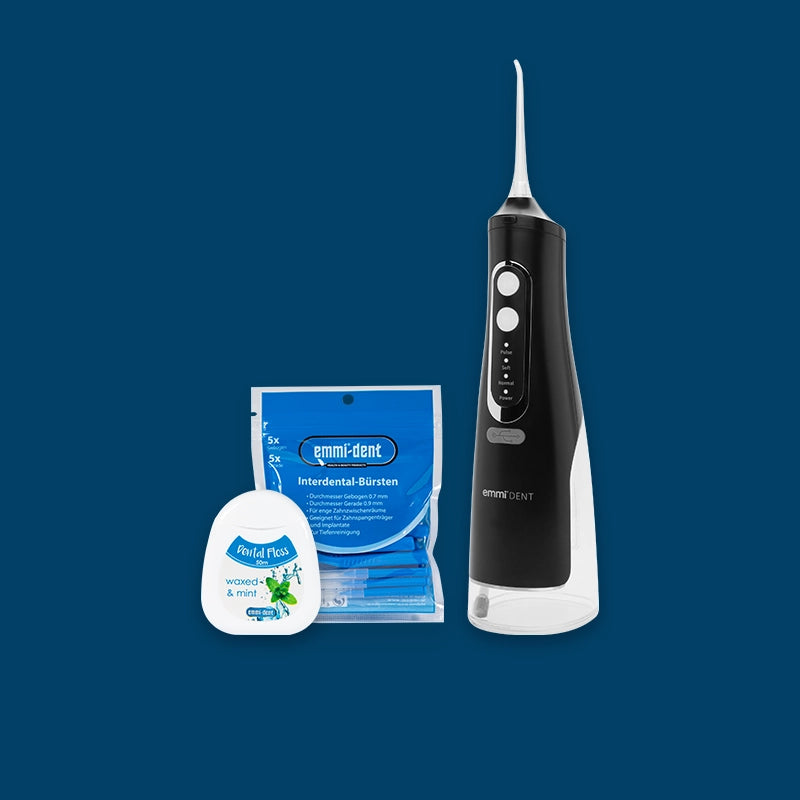
Dental floss can therefore be useful for narrow spaces. It can be guided through the contact point and then carefully moved along the side tooth surfaces. For slightly larger spaces, interdental brushes can be more suitable. The right size is important here. An interdental brush should be able to clean the space without having to be forced through.
What doesn't work as well is frantic poking around with whatever happens to be on the table. Toothpicks, fingernails, or even small objects surprisingly quickly become a spontaneous rescue mission when a popcorn husk presses uncomfortably. This can injure the gums, and the problem ends up being bigger than the piece of popcorn itself.
If something is stuck persistently and cannot be removed carefully with your usual interdental care, you should not keep working on it. This is especially true if the area hurts afterward or if the gums are significantly irritated.
For daily care, this means: toothbrush and interdental care have different tasks. A thorough cleaning of the tooth surfaces does not automatically replace dental floss or interdental brushes. Especially an interdental space where food frequently collects deserves a little more attention.
How to prevent an annoying space from becoming a permanent problemIf you already know that popcorn always lands in the same spot, you don't have to give up your next movie night because of it. It makes more sense to include this interdental space in your daily care routine and not leave food residues sitting there for hours.
After eating, you can first rinse your mouth with water. Sometimes that is enough to loosen food particles that are sitting loosely. If something is stuck tighter, dental floss or a suitable interdental brush comes into play. The point is not to spend minutes doing a complete teeth cleaning after every meal. However, a bothersome food residue should be removed before it stays with you for the rest of the day.
Also, pay attention to how the area develops. Do you now have to use dental floss after almost every meal? Does the space feel larger? Do the gums there bleed regularly or are they sensitive? Do foods get stuck now that could previously be chewed without any problems? Such changes are more interesting than the fact that a thin popcorn husk, of all things, has found its way between your teeth.
Daily care can help reduce bacterial plaque in this area. However, it cannot change why more space has suddenly emerged between two teeth or why the contact between them is no longer functioning as it used to. That is exactly why you should have a newly developed problem area checked by a dentist.
Sonic Flex and Sonic Prime: thorough care around problematic spaces
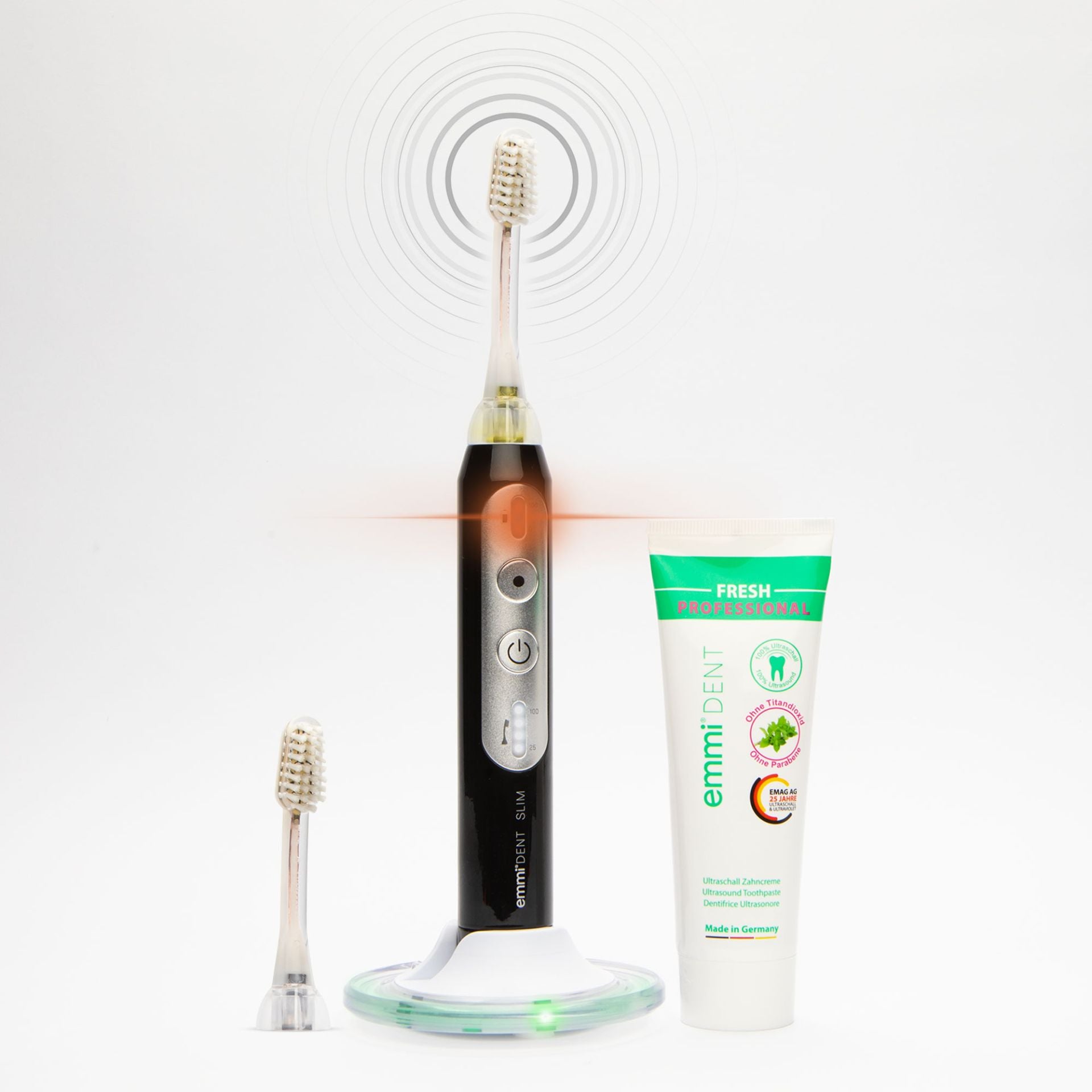
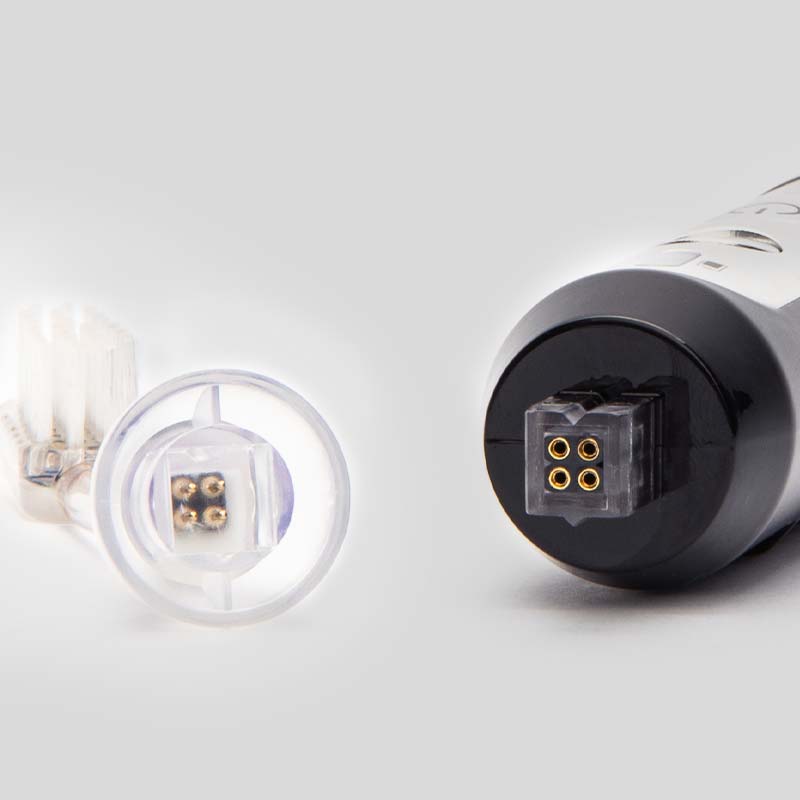
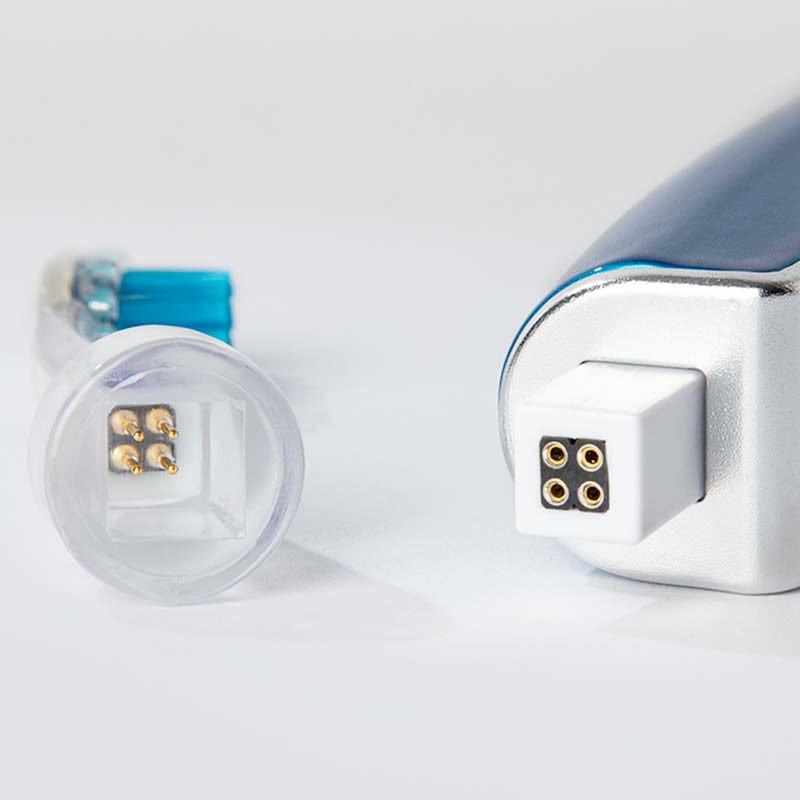
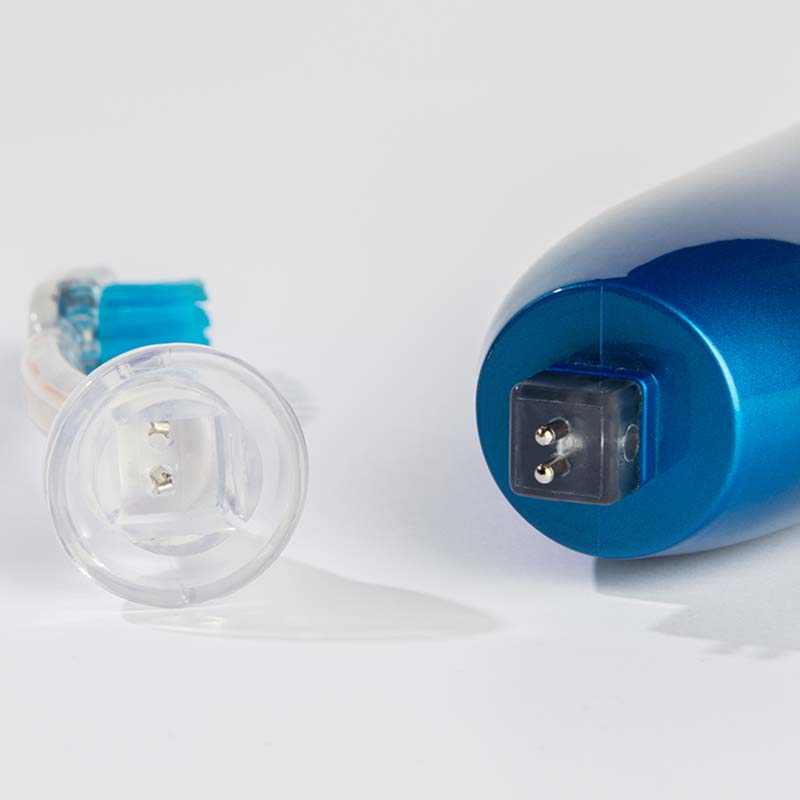
Even if dental floss and interdental brushes remain important for the actual interdental spaces, good oral hygiene naturally starts with the regular cleaning of all tooth surfaces. This is where our emmi-DENT Sonic Flex and Sonic Prime can support your daily care routine.
Both work with rapid mechanical brush movements. This thoroughly cleans the accessible tooth surfaces as well as the areas along the gum line. Especially if food residues collect more frequently in a certain spot, it is worth consciously including the adjacent tooth surfaces in your cleaning.
However, what a sonic toothbrush cannot do is reliably remove a piece of popcorn stuck deep between two teeth. Therefore, the Sonic Flex and Sonic Prime do not replace dental floss or interdental brushes. Rather, the various tools complement each other. The sonic toothbrush takes care of the daily mechanical cleaning of the reachable tooth surfaces, while you additionally target the narrow spaces for care.
And perhaps that is the most important realization for the next movie night: the popcorn itself is usually not the actual problem. If its small hulls occasionally lose their way between your teeth, that is simply annoying at first.
The spot becomes more interesting when it changes. If something suddenly gets stuck between the same two teeth after almost every meal, even though that never happened before, you shouldn't just keep reaching for the dental floss. Have the interdental space checked and clarify why it has become the new favorite spot for food debris.
Until then, the rule is: remove it carefully, keep the area clean, and please do not poke around the gums with the next best object you find. Then the popcorn can return to where it actually belongs at the next movie night: in the bowl and not permanently between your teeth.