







Many people are familiar with the situation: while cold ice cream hardly causes any problems in winter, in summer it suddenly feels unpleasantly sensitive in individual teeth. A piece of watermelon, a chilled refreshing drink, or a sweet snack can suddenly trigger discomfort. This often leads to the worry that something is wrong with your teeth.
In fact, many habits change in summer. We drink cold beverages more often, reach for ice cream, fruit, or sweet refreshments more frequently, and snack more throughout the day. At the same time, heat, increased sweating, and altered fluid balance affect oral health. This combination can lead to sensitive areas of the teeth being noticed more than usual.
Sensitive reactions to sweet or cold foods are therefore not automatically an indication of a serious illness. However, they should be taken seriously, as they often indicate a change in tooth enamel, gums, or the sensitive tooth necks. The sooner the cause is identified, the better further irritation can be avoided.
In this article, we explain why teeth can suddenly react sensitively to sweets, ice cream, or cold drinks in summer, what changes occur in the mouth, and how you can protect your tooth enamel in the long term.
Why do teeth suddenly react to sweet and cold foods?
Sensitive teeth often occur when external stimuli can more easily reach the interior of the tooth. The natural protective shield of our teeth consists of tooth enamel. It protects the underlying layers from temperature differences, acids, and other stimuli.
If this protection is weakened or sensitive tooth necks are exposed, sweet or cold foods can be perceived much more strongly. Especially in summer, several factors combine that can favor these reactions.
An important role is played by the increased intake of acidic foods and beverages. Fruit juices, sodas, iced tea, lemon water, or fruit contain acids that can temporarily attack tooth enamel. Immediately afterward, the tooth surfaces are often somewhat more sensitive.
In addition, many people tend to have more small snacks at high temperatures. This repeatedly exposes the mouth to new sugar and acid influences. Saliva has less time to restore the natural balance in the mouth.
Teeth are often not sensitive because of the sugar itself, but because sensitive tooth areas are already exposed or the tooth enamel has been weakened. This is precisely why it is worthwhile to take a closer look at suddenly occurring sensitivity and to identify possible triggers.
Can summer habits increase sensitivity?
Summer brings many changes in daily life that can directly affect oral health. While we often eat solid meals in the colder months, many people tend to have more small snacks, cold drinks, or sweet refreshments in warm weather. These very habits can put additional strain on sensitive teeth.
Constant sipping of drinks is particularly problematic. Anyone who drinks iced tea, lemonade, or fruit spritzers for several hours continuously exposes their teeth to sugar and acids. This prolongs the time during which the tooth enamel is attacked. While saliva can partially fulfill its protective function, it needs sufficient time between meals and drinks to do so.
Very cold foods can also reveal existing sensitivities. Ice cubes, ice cream, or heavily chilled drinks lead to rapid temperature changes in the mouth. If sensitive areas are exposed, these stimuli can be directly transmitted to the fine nerve channels in the tooth. The typical brief twinge is often the result.
In addition, many people drink less in summer than they actually should. The body loses fluid through sweating. If this loss is not compensated, saliva production can decrease. However, saliva performs important functions for oral health. It neutralizes acids, supports the remineralization of tooth enamel, and helps transport food debris and bacteria away.
Reduced salivary flow can contribute to teeth being more sensitive to sweets, cold, or acids. Therefore, adequate fluid intake is one of the most important measures for healthy teeth in summer.
What role do tooth enamel and exposed tooth necks play?
When teeth suddenly become sensitive, it's worth taking a look at the protective structures of the tooth. Tooth enamel is the hardest substance in the human body. Nevertheless, it can also be exposed to stress over time. Acidic foods, vigorous scrubbing during brushing, or nocturnal teeth grinding can contribute to the protective layer becoming thinner.
Another common cause is exposed tooth necks. They often result from receding gums. This exposes areas that are normally protected under the gums. These areas do not have protective tooth enamel like the tooth crown and therefore react significantly more sensitively to external stimuli.
Many sufferers initially only notice a brief twinge from ice cream, cold drinks, or sweets. However, over time, the discomfort can occur more frequently. Therefore, it is advisable not to permanently ignore such signals.
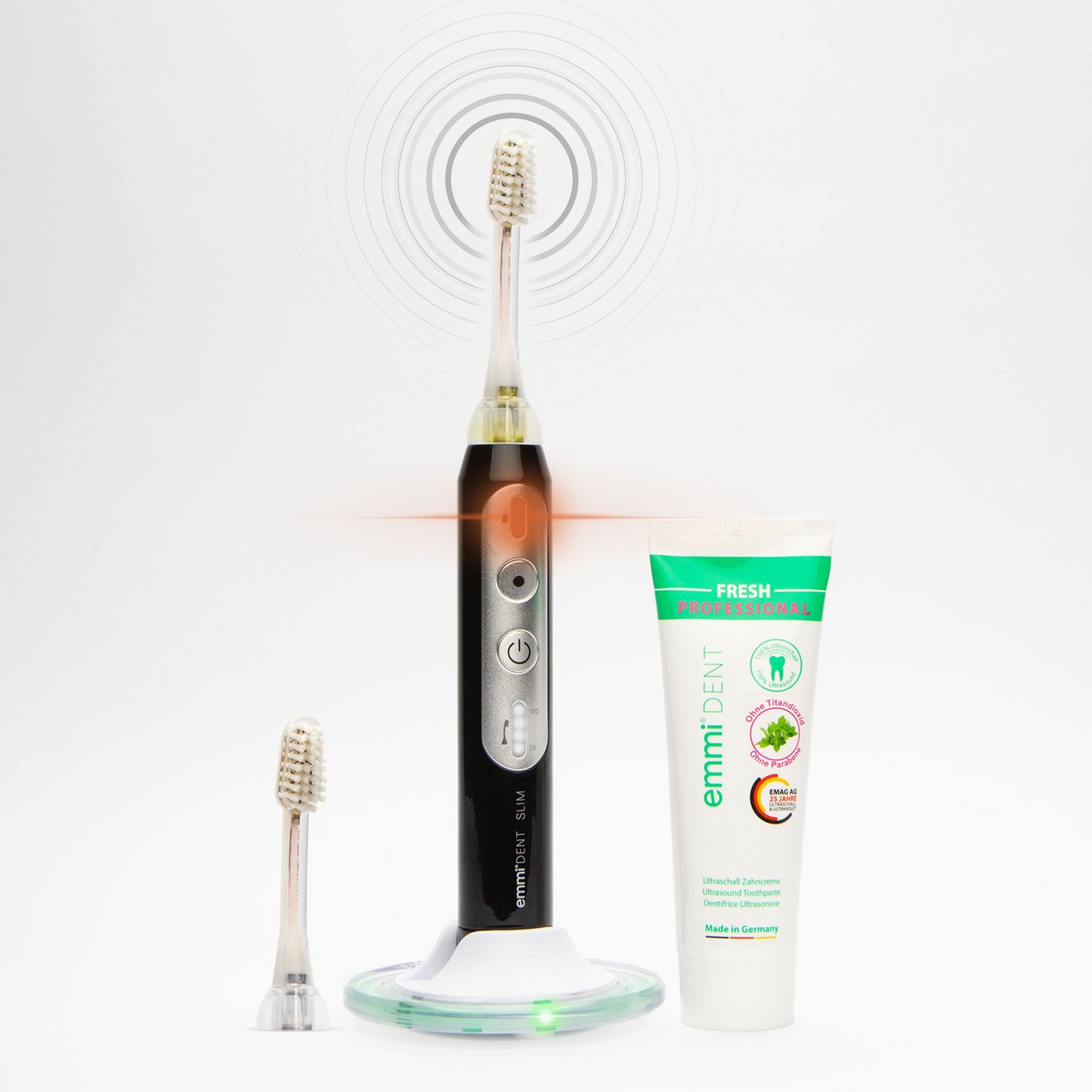
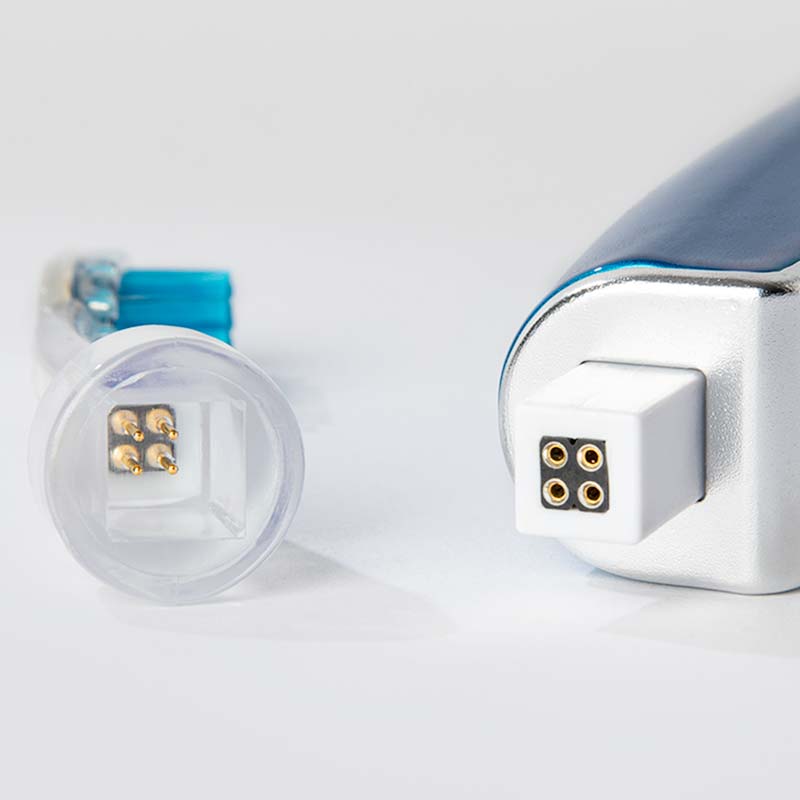
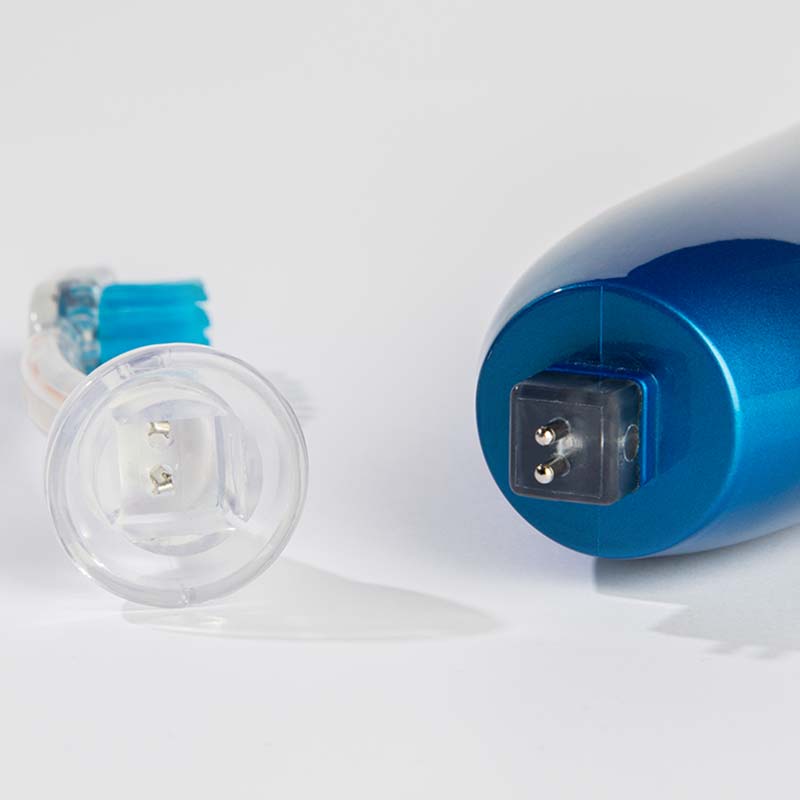
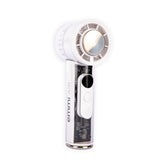
In daily oral care, the choice of toothbrush also plays an important role. Too much pressure or intensive mechanical movements can additionally irritate sensitive areas. Many people therefore rely on particularly gentle cleaning methods. Our emmi-dent Slim ultrasonic toothbrush is used by many users as a supportive tool, as it works without classic mechanical brushing movements and can help to reduce bacterial plaque. In contrast to one of our classic emmi-dent sonic toothbrushes, the cleaning effects are generated by ultrasound technology and not primarily by fast brush movements. Regardless of the system used, however, careful and regular oral hygiene remains crucial for long-term dental health.
Sensitive teeth are often an indication that the protective structures of the tooth are being stressed more than usual. The sooner these causes are identified, the better further irritation can be avoided.
What can you do to protect sensitive teeth in summer?
If your teeth suddenly react to sweets or cold foods, it doesn't automatically mean there's a major problem. Often, the discomfort can be reduced by making a few adjustments to your daily routine. The key is not just to temporarily mask the causes, but to keep the strain on tooth enamel and gums as low as possible.
An important step is to consume acidic beverages and snacks more consciously. This doesn't mean you have to give up fruit, ice cream, or refreshing drinks in summer. Rather, it's about reducing the frequency of acid contact. Instead of sipping small amounts over several hours, it can be helpful to enjoy drinks with meals and then drink water afterward.
You should also give your teeth some time immediately after consuming acidic foods. After acid contact, tooth enamel is temporarily in a more sensitive phase. If you brush vigorously immediately afterward, this can additionally stress the surface. Therefore, many experts recommend allowing some time to pass after acidic foods or drinks.
In daily oral care, the focus is also on protecting sensitive areas. Gentle cleaning techniques can help avoid unnecessary irritation. In particular, our emmi-dent Slim ultrasonic toothbrush is used by many people as a supportive tool when sensitive tooth surfaces need to be cared for as gently as possible. At the same time, the best dental care does not replace a professional examination if discomfort occurs more frequently or becomes stronger.
Adequate fluid intake is equally important. A well-hydrated mouth supports the natural protective function of saliva. Water remains the best choice to balance fluid levels and support the oral environment.
When should you consult a dentist?
Occasional sensitivity after a very cold ice cream or a heavily chilled drink is not uncommon. However, if the discomfort becomes more frequent, more intense, or occurs without an identifiable trigger, the cause should be professionally clarified.
Sensitive teeth can have various underlying causes. In addition to exposed tooth necks, small enamel defects, incipient cavities, leaky fillings, or gum problems may be considered. These changes are often not visible from the outside. A dental examination can help determine the exact cause and initiate appropriate measures.
You should pay particular attention if:
- the sensitivity persists for several weeks
- the pain gets worse
- individual teeth are permanently affected
- gum bleeding or swelling also occurs
- discomfort arises even without cold or sweet stimuli
Summer invites us to enjoy ice cream, fruit, and cool drinks. If your teeth suddenly react sensitively, it is often due to a combination of altered eating habits, acid exposure, temperature fluctuations, and increased stress on the tooth enamel. With gentle oral care, sufficient fluids, and conscious handling of acidic foods, a lot can often be done for oral health. However, if the discomfort persists or worsens, a visit to the dentist is advisable. This way, possible causes can be identified early and the teeth can be protected in the long term.